

Lessons from a false alarm at sea
Published on April 9th, 2026
by Alison O’Leary, Soundings
It took just minutes for our mayday beacon to ping off a NOAA satellite and reach the Coast Guard’s Southeast Command Center near Miami. When it was received, the emergency alert was simultaneously routed to a watchstander for verification and relayed to the crew of a Coast Guard helicopter for immediate response.
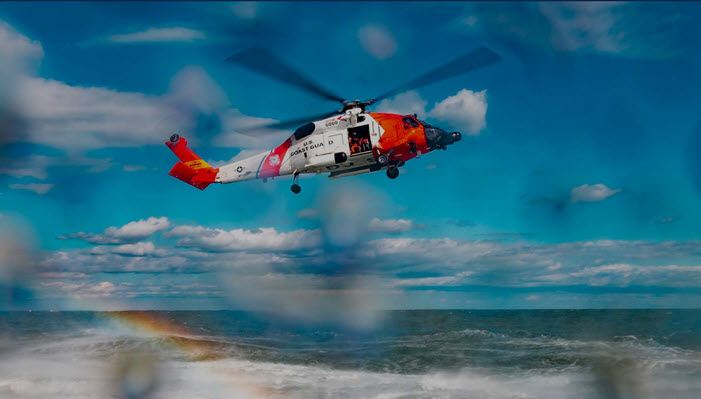
While the watchstander followed up on our personal locator beacon’s registered contact information, the flight crew got ready to execute a rescue. A pilot, co-pilot, rescue swimmer, and flight mechanic were redirected from their day’s training, the helicopter’s rotors cutting through the sky as they turned east off the Florida coast.
Time is of the essence in a rescue at sea. The PLB was activated at midday, but in late January, daylight is limited, and they had at least 60 miles to cover to reach us. Without any immediate information on the emergency, the helicopter crew had to be prepared for anything, including an extensive search or a crewmember who fell overboard. They simply flew toward the coordinates provided by the PLB, not knowing what they’d find.
Except, there was no emergency. – Full report


Related Posts
What to do when answering a Mayday →

US Coast Guard is kicking butt →

Introduction to Keelboat Racing →