

Mindset behind the mission
Published on April 29th, 2026
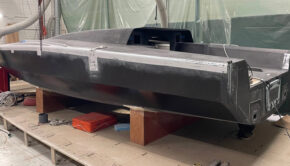
Peter Gibbons-Neff is building a new boat for the 2027 Mini Transat, a race in the 21-foot Mini 6.50 Class across the Atlantic Ocean. Held every four years, he reflects on the lessons from competing in the 2023 edition:
Looking ahead to the 2027 Mini Transat, my mindset has evolved. In the last campaign, much of the focus was proving I could do it: qualify, compete, finish, and fulfill the mission behind the campaign. Now, with the experience of more than 15,000 offshore miles in the Mini and a crossing under me, the focus is sharper.
This campaign is about building something capable of competing at the front of the fleet. It means a new prototype, more training, better preparation, and the expectation to perform at a much higher level.
Remaining at the center of it all, is a purpose driven mission. This campaign builds on momentum to create even greater support for U.S. Patriot Sailing. Performance matters because it creates visibility, which helps create additional opportunities to move that mission forward. Racing well is not separate from the purpose; it is one of the best ways to advance it.
There are five key themes shaping how I approach this season.
1. Resolve
Throughout every step of this campaign, I have been committed to a course of action that requires constant problem solving. Resolve is not just about race day. It applies to the decision to start this campaign, the years of preparation behind it, and the challenges still ahead on the water.
Building a competitive Mini Transat campaign is not a linear process. It requires adapting to changing plans and continuing forward when progress feels slower than expected. That is true whether it is funding the project, solving technical challenges during the build, or managing setbacks offshore.
The 2023 Mini Transat reinforced what resolve looks like offshore. When my rudder broke off, the race changed instantly. Competition became problem solving as the line between racing and survival became very real. The focus narrowed to protecting the boat, preventing more damage, and finding a way to keep going.
There was no room for frustration or hesitation. Only action. In moments like that, resilience becomes a key factor. You rely on your preparation, trust your instincts, and keep moving forward even when the outcome is uncertain. That is where resolve matters most.
This new prototype will bring its own version of that challenge. Resolve means staying committed and finding solutions through all of it.
2. Purpose-Driven Performance
Purpose is the core of this campaign, but performance also matters.
The goal is not simply to complete another Mini Transat. The goal is to race at the front of the fleet, because results create visibility, and visibility creates opportunities to support something bigger than the race itself.
My first Mini campaign was centered on raising awareness for U.S. Patriot Sailing and the impact that organization had on my own life. We were successful in supporting the veteran community by increasing participation and bringing in new donations to the team. This next campaign builds on that foundation. The mission is focused on expanding support and creating more opportunities for veterans through the sport of sailing.
That is why performance and purpose are directly connected. Racing well is not separate from the mission—it is one of the strongest ways to advance it.
The better we perform, the more attention the campaign generates. More visibility means stronger partnerships, more sponsor support, and a greater ability to create real impact beyond the sport.
Purpose gives this challenge meaning, and performance gives it reach. Both are necessary to be successful in achieving the mission.
3. Precision in Preparation
This is where confidence is built over time.
In offshore racing, small advantages matter. A tailor-made sail plan, a well-tuned autopilot, an efficient cockpit layout, removing unnecessary weight…it all adds up.
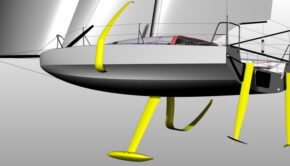
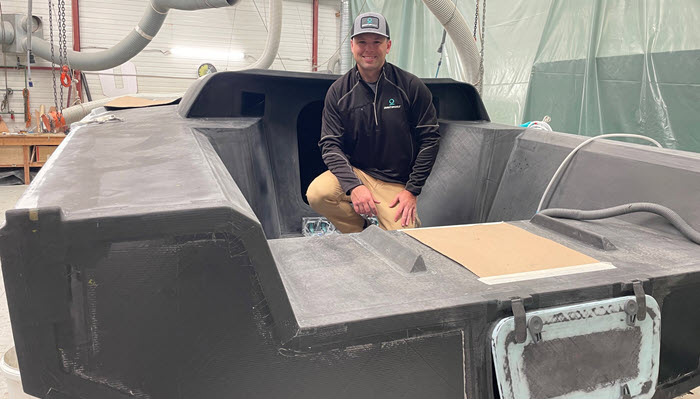
That level of preparation takes time and attention to detail. Building a new foiling prototype means constant testing, refinement, and repetition. Every system has to be understood and every decision has to increase performance offshore.
A lot of that work is not visible from the outside observer. It occurs throughout every phase of the build, training days, and racing. I hope to be able to share more on this process over time.
Let’s be clear. The goal is not perfection; it is consistent improvement. Precision comes from doing the small things well, over and over again. The greatest constraints to this theme will be budget and time.
4. Relentless Learning
One of the things I value most about this class is how much it forces me to keep learning. No matter how much experience I have, there is always more to understand. With this new boat, the amount I have to learn will increase exponentially.
This season is not just about training to race. It is about learning how to sail a new and complex prototype. From experimenting with the foils, to autopilot fine tuning, to discovering the performance polars, and energy management, this boat will require many adjustments to get dialed in for competitive racing. Every mile sailed becomes feedback to learn and grow from over time.
I do not expect to have all of the answers right away. This goal is to ask questions, soak up advice, learn through training, keep improving, and remain open minded. I also can’t forget to listen to what the boat and process are teaching me.
5. Endurance as a Competitive Edge
I have come to see endurance as a real part of performance.
Not just physical endurance, but mental endurance too. The ability to stay sharp after days offshore, make smart decisions while tired, and keep pushing through long periods of discomfort, both on and off the water.
One of the biggest lessons from the Mini Transat was realizing how much offshore racing rewards consistency over intensity. It is not about one great day or one perfect decision. It is about staying disciplined, managing fatigue, and continuing to make good choices over time, especially when you are tired, frustrated, or uncomfortable.
During the two years in between campaigns, I found ultra marathon training to be the closest thing to solo ocean racing. While I returned to active duty for a year and could not disappear offshore for weeks at a time, I shifted that focus into endurance training on land. That led to running my first trail 50k race in Maryland and later a trail 50-mile race in Arizona.
Ultra running reinforced the mindset of consistency for me. Long runs and strength training are not just about fitness, they build patience, discipline, and the ability to stay steady when things get difficult.
It also changed how I think about fueling. Nutrition and hydration have a direct impact on decision-making, recovery, and consistency while offshore. Through ultra running, I learned how much physical performance and mental clarity depend on managing energy well. That same discipline applies on the boat. Eating and drinking properly is not just about staying healthy, it is part of staying competitive.
Endurance is not separate from competition. It is one of the strongest advantages I can build going into this season.
Details: https://www.pgnoceanracing.com/

Related Posts
Launched for first flight →
Launch delayed, mission unchanged →

Crossing both Atlantic and Equator →