Procedural Questions for Protest and Redress Hearings
October 14th, 2013
The US Sailing Appeals Committee recently published Appeal 111 and 112 that answers questions regarding the administration of protest and



October 14th, 2013
The US Sailing Appeals Committee recently published Appeal 111 and 112 that answers questions regarding the administration of protest and
October 8th, 2013
The 2013-2016 edition of The Racing Rules of Sailing provided by the International Sailing Federation (ISAF) includes Rule 55 (Trash
October 7th, 2013
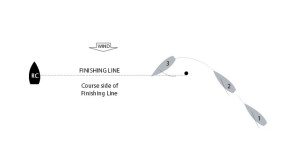
The US Sailing Appeals Committee recently published Appeal 109 which answers the question “how do I finish when the race
August 21st, 2013
By Dave Perry, chairman, US Sailing Appeals Committee I am often asked: “If I am clear ahead at a windward
August 13th, 2013
By Andrew Morgan – RCYC: I’d love to hear any comments on the types of redress given and how they
August 8th, 2013
By Rob Overton, Chairman of the US Racing Rules Committee Since my last post on the subject of redress, I’ve
May 15th, 2013
By Rob Overton, Chairman of the US Racing Rules This posting is about redress. Before we get into this topic,
May 10th, 2013
By Rob Overton, Chairman of the US Racing Rules This posting is about redress. Before we get into this topic,
April 16th, 2013
Just over a year ago, Scuttlebutt reviewed the by-laws of prominent clubs around the U.S., discovering that many did not
April 15th, 2013
The Case Book – Interpretations of the Racing Rules of Sailing (RRS) 2013-2016 has been published on the ISAF website.
© 2024 Scuttlebutt Sailing News. Inbox Communications, Inc. All Rights Reserved.
made by VSSL Agency.