


Laying the laylines
Published on September 18th, 2026
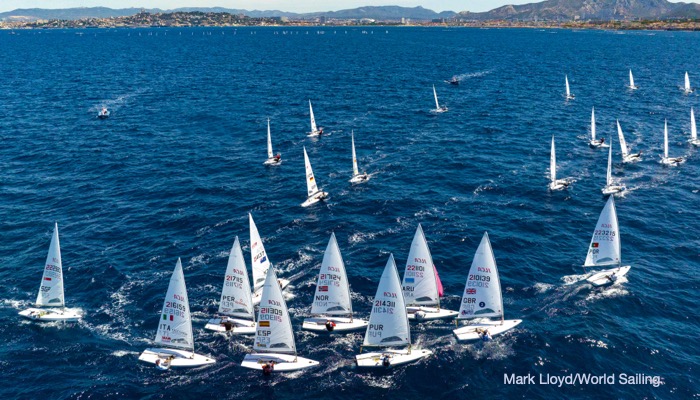
Before you round any mark you have to get to the layline, so it helps a lot to know where the layline is. To avoid overstanding or understanding (and losing time or distance), find a good method for making consistently accurate layline calls. Here are some tips from WindCheck’s David Dellenbaugh, world champion and America’s Cup tactician and helmsman.
Avoid long-range laylines. The easiest way to improve your layline calls is by getting closer to the mark before you have to make them. This isn’t always possible, but if you reduce the average distance at which you hit the layline you will have better calls (and better results due to less time spent on laylines).
Use more than one method. Use two (or more) different layline methods as a check on each other. If two methods produce the same layline, this gives you confidence in your call. If they produce different laylines, use a third method and try to understand why the first two disagreed.
Be aware of changing conditions. The variables that affect your laylines (wind, waves, current) are always changing. The best way to incorporate these is to be very aware of what’s happening on the race course at the moment when you make your layline call. For example, do you expect the wind to increase, decrease or remain the same as you sail to the mark? It’s hard to make a good layline call without considering this kind of information. – Full report


Related Posts

Breaking down barriers to a sport →

Two key variables for a good start →
What is your system for sailing offshore? →