


IRC considers direction for future
Published on October 26th, 2026
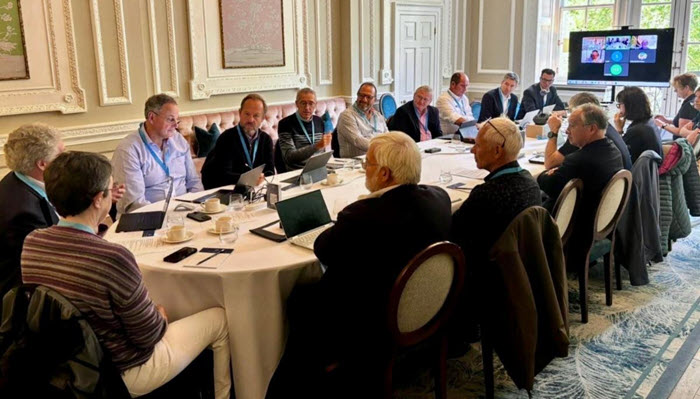
Of the two prominent rating rule systems, the 2026 IRC Congress in London brought together delegates from throughout the international sailing community for IRC representatives to share experience from their regions, consider developments affecting the sport, and agree the future direction of the IRC rating rule.
A series of IRC rule changes for 2027 was approved which are largely clarifications and will not change existing rating processes.
They cover the setting of sails, the use of manual and stored power, the effect of changes to maximum beam on a boat’s age date, a new definition of Tack Point, clarification of the purpose of the maximum tack point for flying headsails, and clearer wording relating to aft rigging on twin-masted boats.
Congress also considered submissions from IRC Rule Authorities. Subjects included the use of local offshore special regulations, the treatment of scow bows and code zero or ‘code boost’ sails, storm jibs and the adjustment of turnbuckles during racing. Several of these matters will be referred to the IRC Technical Committee for further consideration.
A proposed IRC Grand Prix concept was presented at the meeting. Designed as an enhanced certification and technical assurance framework rather than a separate rating rule, it would provide additional verification and event controls for selected high-performance fleets.
Development will draw on processes used for the 2027 Admiral’s Cup, Sardinia Cup and International Maxi Association, followed by limited pilot use at suitable events before any wider introduction.
A significant subject of discussion was IRC’s proposed strategic direction for 2027 to 2032. The strategy aims to preserve IRC’s established strengths of simplicity, technical credibility, support for major events, owner focus and international reach, while modernizing the organization and responding to changing technology, expectations and participation levels.
Plans include the development of a digital platform to improve certificate administration, data management, measurer support, and event integration.
Delegates took the opportunity to discuss ways to increase participation and provide clearer pathways into IRC from local and entry-level rating systems, while recognizing that different countries may continue to use entry level rating systems suited to their local fleets and circumstances.
National representatives also reported on IRC activity, event participation, technical developments, and the challenges facing racing communities in their regions.
Congress also reviewed preparations for the 2027 Admiral’s Cup, future IRC championships, possible closer links between major offshore events, the importance of setting crew limitations, and the benefits of equipment inspection.

Related Posts
Handicapping the number of headsails →
Make participation easy and worthwhile →
Inescapable question with dual scoring →
